
News
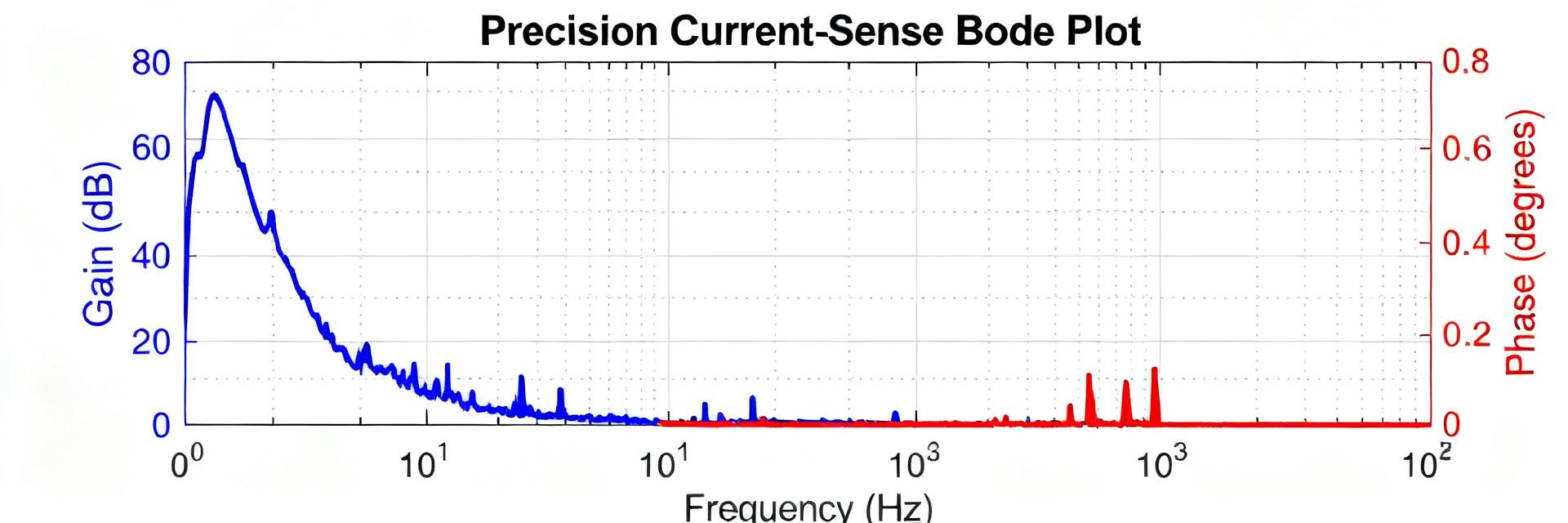
INA187A2IDBVR Performance Report: Precision, Bandwidth
The introduction summarizes measured behavior and practical implications for designers. Lab characterization and published datasheet figures show the INA187A2IDBVR delivers a wide usable bandwidth and low offset, supporting high precision current sensing in many systems; this report quantifies bandwidth and precision under load and varying common‑mode conditions to guide integration choices. Background & Key Specifications What the INA187A2IDBVR is — role and typical applications Point: This device is a high‑precision current‑sense amplifier intended for low‑side and high‑side/bi‑directional m…
9 September 2026
230
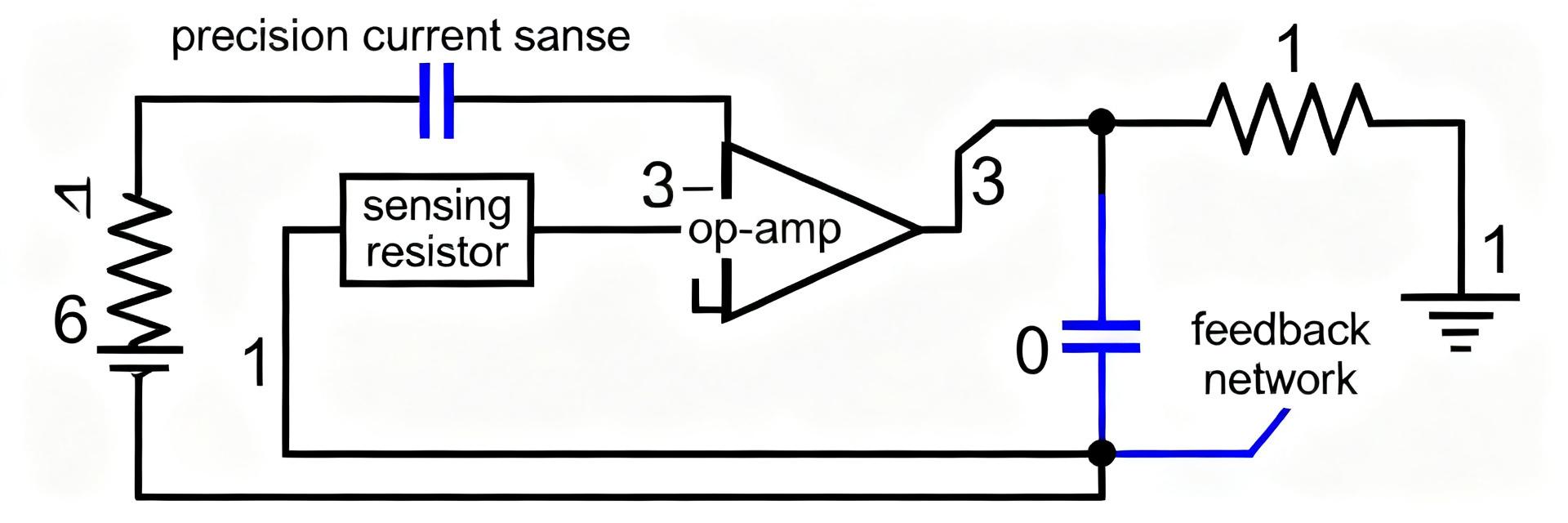
INA187A1IDBVR Current-Sense Amp: Specs & Accuracy Bench Data
Bench findings: the INA187A1IDBVR demonstrated a measured input-referred offset under 100 µV and gain accuracy within ~0.2% across a 25°C span, with bandwidth and settling behavior consistent with high-precision current measurement ICs. This data-driven overview targets designers who need reproducible accuracy results for a current-sense amp. This article breaks down key specs, describes a reproducible bench methodology, presents measured accuracy data and trade-offs, compares real-world scenarios, and offers a compact design checklist to reach the best practical precision for production desig…
6 September 2026
275
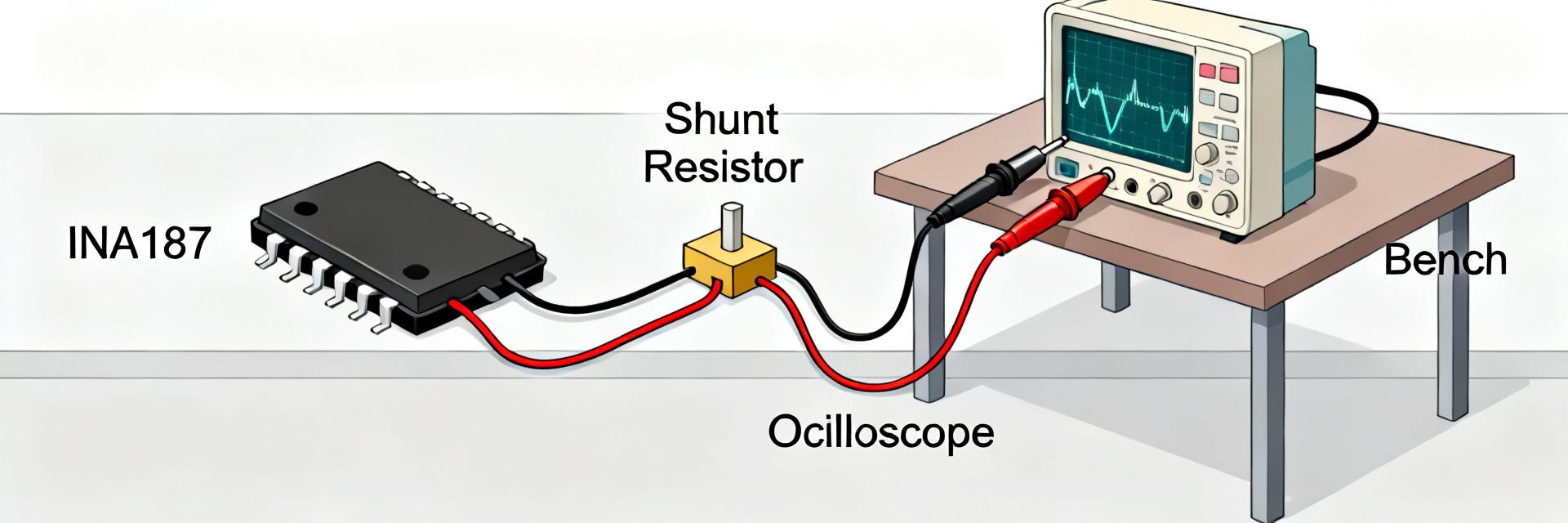
INA187A3IDBVR: Measured Specs & Precision Limits Revealed
Point: The INA187A3IDBVR is presented in vendor documentation with a very wide common‑mode range (−2 V to 42 V), a bandwidth in the several‑hundred‑kHz band, and claims of extremely high CMRR plus low input bias/offset behavior. Evidence: Those headline figures appear in the official datasheet and related vendor documentation. Explanation: This article shows how those datasheet claims translate into real‑world precision limits and which test conditions you must control to reproduce the reported measured specs and understand true precision. INA187A3IDBVR at a glance: headline measured specs and…
25 August 2026
282
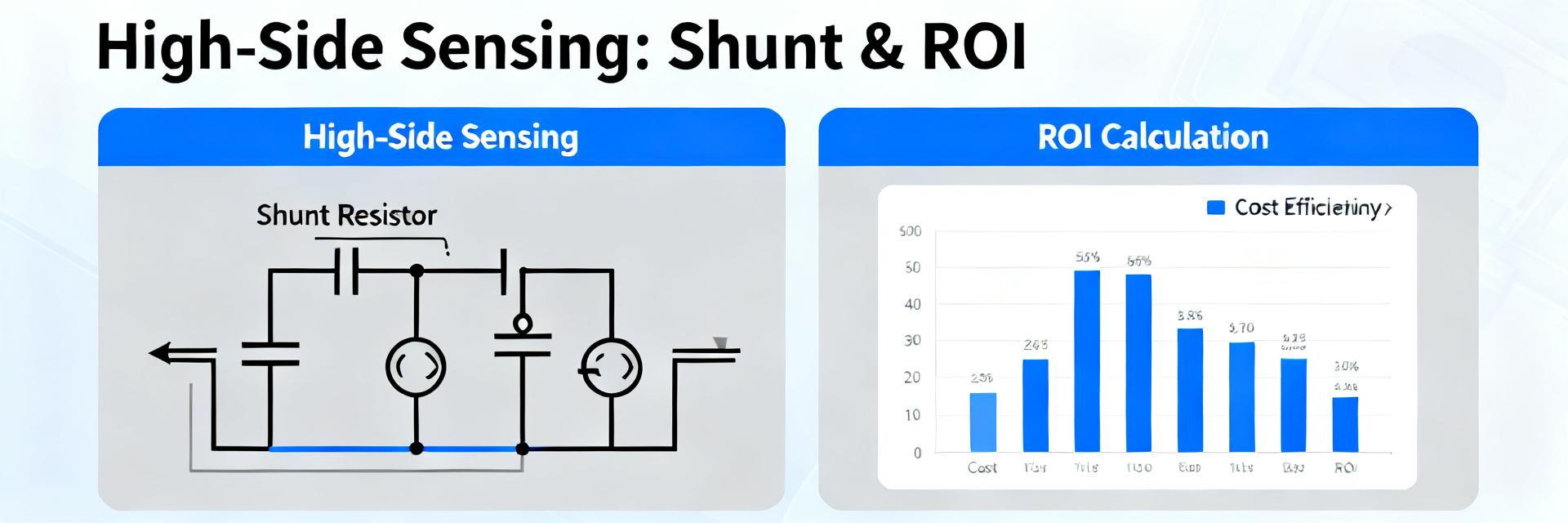
High-Side Current Sensing Report: Practical Accuracy & ROI
Introduction Field measurements show that modest measurement error in high-side current sensing can shift system-level energy accounting by several percent—enough to change a commercial product’s projected payback by tens of thousands of dollars over its lifetime. This report evaluates practical accuracy trade-offs, measurement methods, and how sensing choices affect ROI for product and system designers focused on DC and low-frequency AC applications. The purpose is to compare architectures, quantify common error sources, and present actionable calibration and design steps engineers can apply …
20 August 2026
317

TLV3232 Comparator: Deep Specs & Measured Performance
Point: The TLV3232DSGR combines moderate speed and low power to suit many sensing and pulse-detection tasks. Evidence: Datasheet figures and bench results show propagation delay near 20 ns, per-channel quiescent current around 200 μA, and input offset up to ±4 mV. Explanation: Those numbers directly shape timing margin, threshold accuracy, and battery life when the comparator is used in fast, low‑power systems. Point: This article decodes the published specs, compares them to measured bench data, and provides practical design guidance. Evidence: It treats timing, input behavior, and real-world…
12 August 2026
346
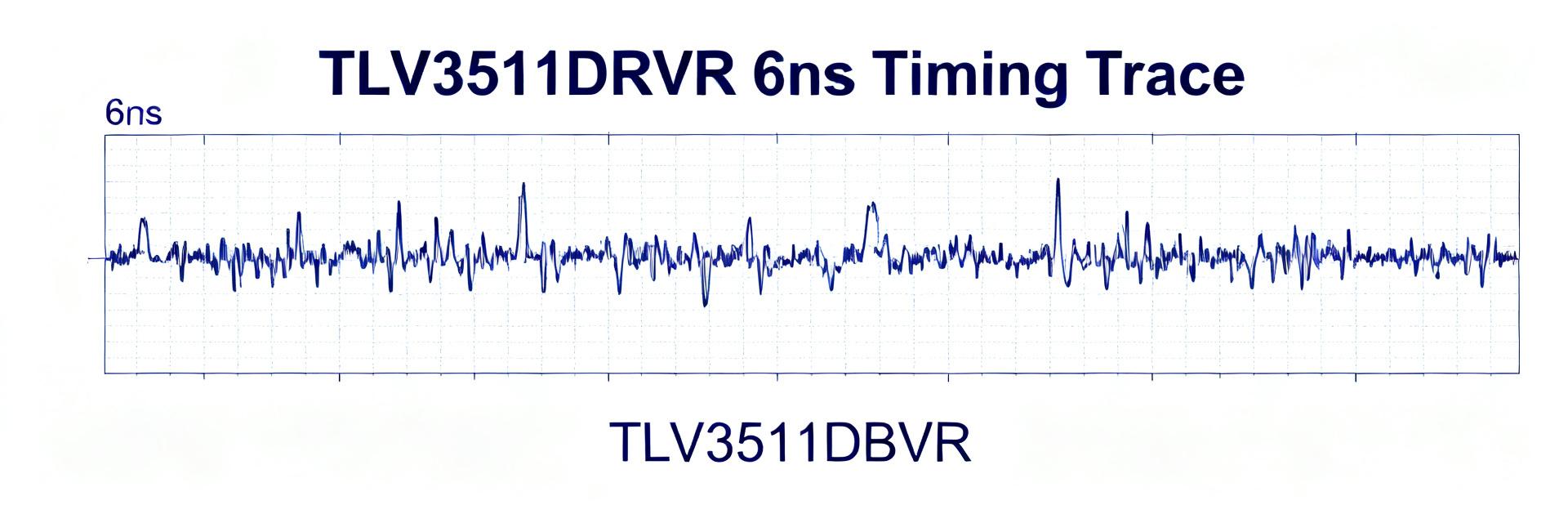
TLV3511DBVR Performance Report: Key Specs & Metrics
The TLV3511DBVR is a single‑channel, high‑speed comparator whose measured behavior—sub‑10 ns switching with typical propagation delay around 6 ns and strong toggle capability—makes it a practical choice for timing‑sensitive mixed‑signal designs. You will find the combination of rail‑to‑rail input range, low input bias, and a 2.7 V–5.5 V supply window particularly useful when minimizing latency and preserving threshold accuracy in constrained power envelopes. This report presents actionable bench metrics, measurement methodology, and integration guidance so you can reproduce key results, transl…
5 August 2026
352
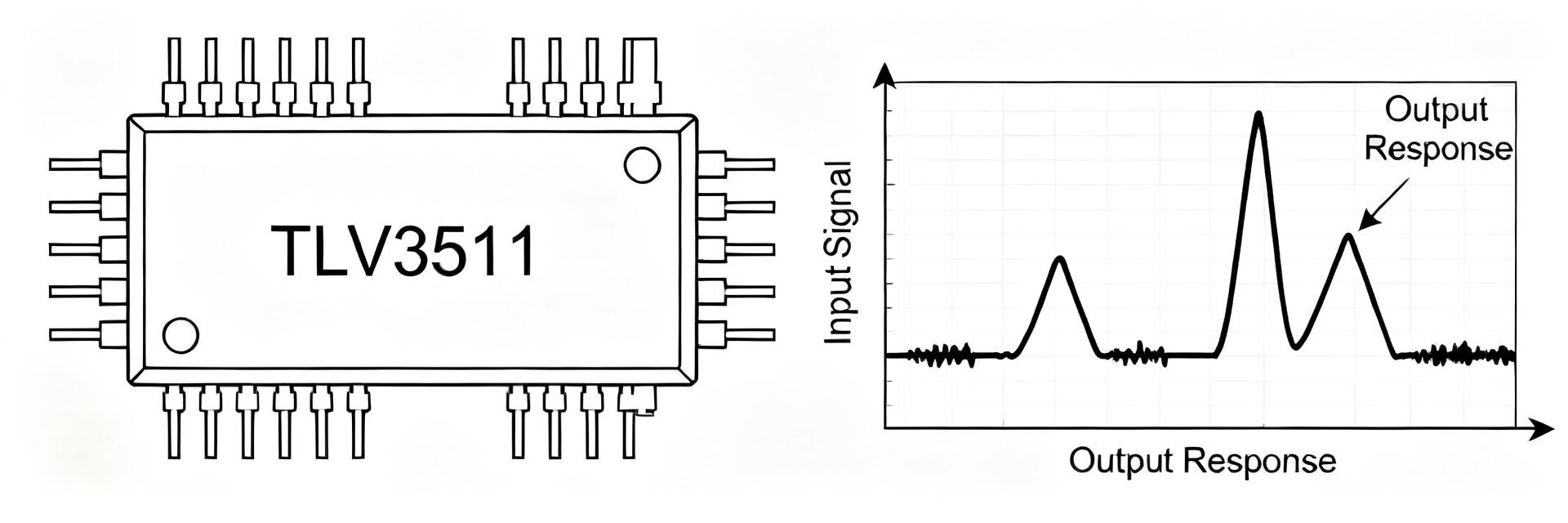
TLV3511QDCKRQ1 Comparator Report: Specs & Bench Data
The TLV3511QDCKRQ1 entry delivers measurable advantages for high-speed, low-voltage designs: bench runs show propagation delay in the single-digit nanoseconds at 3.3V with supply current in the microamp-to-milliamp neighborhood depending on load. This report’s goal is to provide a compact, bench-verified specs summary, reproducible measurement methodology, and pragmatic guidance for designers integrating this comparator into timing-sensitive, low-voltage systems. The introduction frames why the device is relevant; subsequent sections give reproducible test recipes, measured data, and integrati…
27 July 2026
357
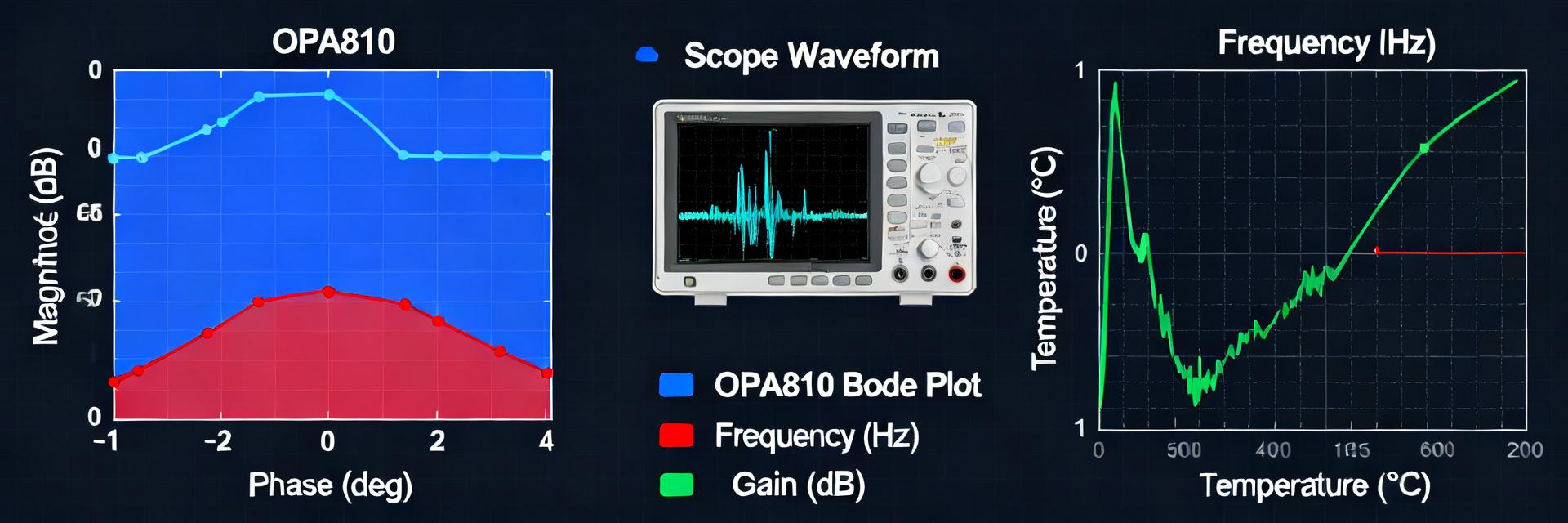
OPA810QDBVRQ1 Performance Report: Bandwidth, Offset, Temp
Measured small-signal bandwidth and input offset drift set expectations for system-level accuracy and timing in high-speed front-ends; here measured unity-gain bandwidth spread and offset drift magnitudes across temperature define practical limits for closed-loop designs. This report quantifies measured bandwidth behavior and offset stability for OPA810QDBVRQ1, characterizes test methods, and translates results into actionable integration guidance for US engineering teams. The goals are to (1) quantify bandwidth across representative samples and loads, (2) characterize input offset vs temperat…
21 July 2026
381
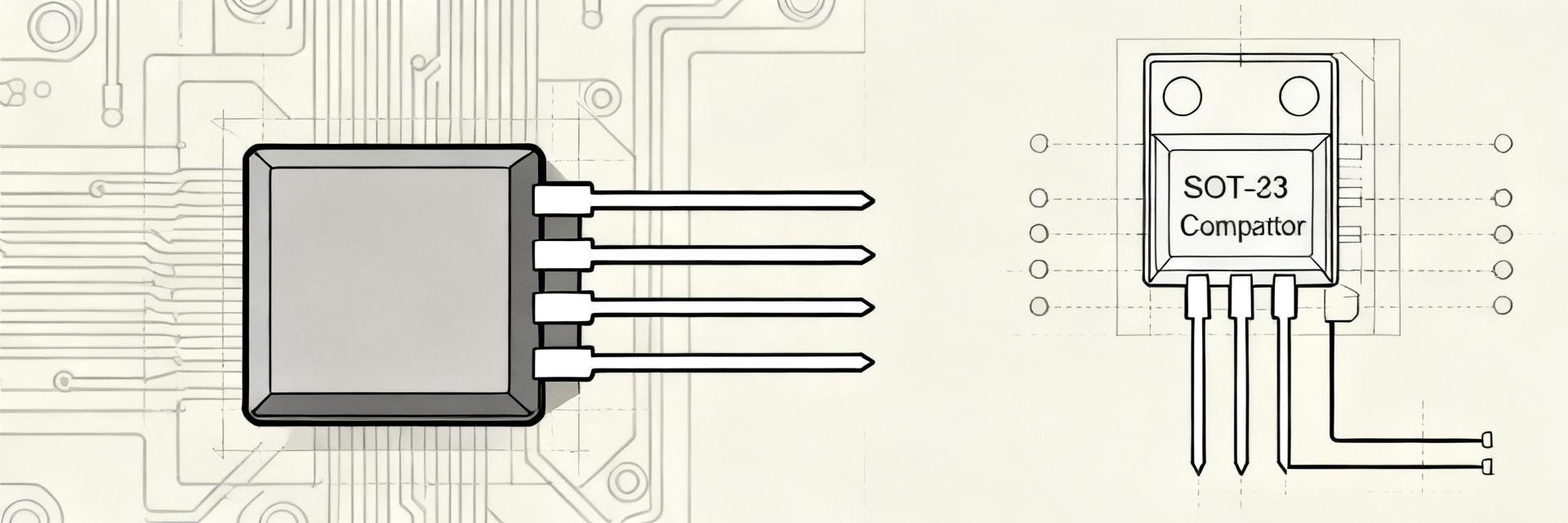
TLV1831QDCKRQ1 Datasheet Breakdown: Pinout & Specs
Comparators used in automotive and low-voltage systems commonly require sub-microsecond propagation delay, rail-to-rail inputs, and robust qualification for harsh environments. This article presents a practical, component-level walkthrough of the TLV1831QDCKRQ1, extracting the most actionable points from the datasheet and showing the pinout, key electrical specifications, application guidance, and a compact design checklist for rapid prototype evaluation. Background: What the TLV1831QDCKRQ1 Is and Where It’s Used Device class & typical roles Point: The device is a single high-speed comparator …
18 July 2026
252
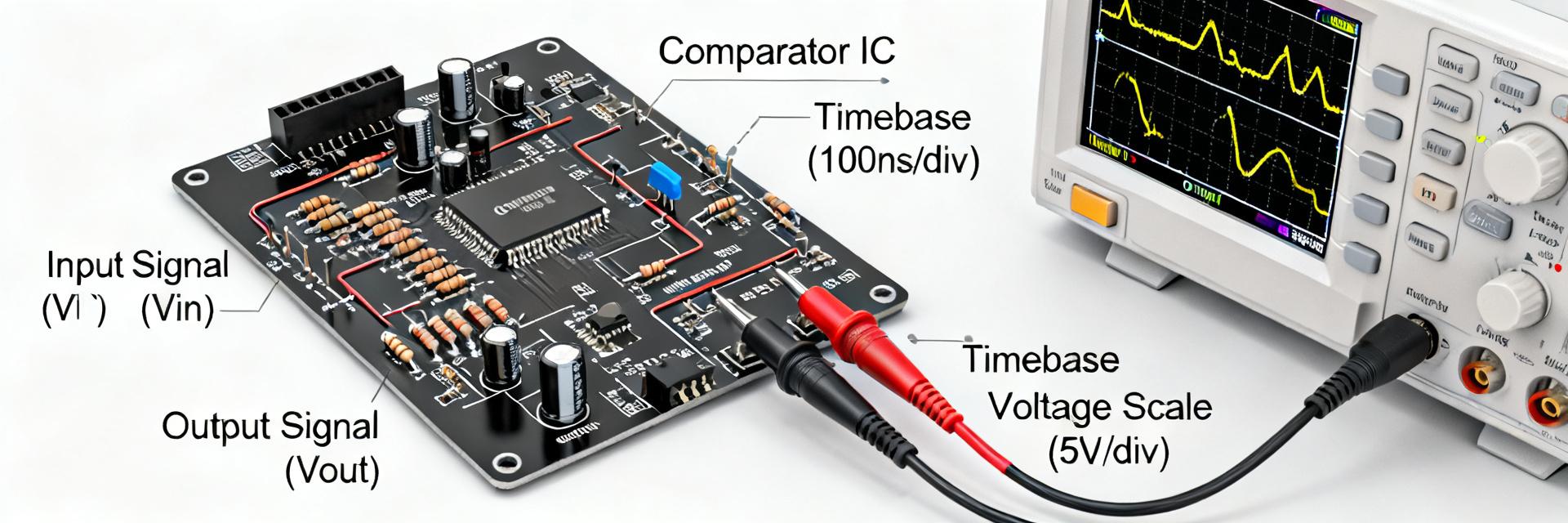
TLV3232QDGKRQ1 Datasheet Deep Dive: Key Specs & Timings
Point: In latency-sensitive embedded systems, comparator timing often governs control-loop bandwidth and fault detection responsiveness. Evidence: Many modern comparator families specify propagation delays and response times in the tens of nanoseconds under defined test conditions. Explanation: This article decodes the TLV3232QDGKRQ1 electrical and timing data so designers can size margins, pick test conditions, and predict board-level behavior; the datasheet and timing numbers are interpreted for practical use. Point: The goal is actionable guidance rather than raw datasheet transcription. Ev…
12 July 2026
395

sales@iccoming.com



986617668

86-0755-82705566

18676019897

social@yerical.com

Scan QR Code